Loading ...

Course / Course Details
Leadership and Strategy

  • SENIOR ICT ACADEMY image

    By - SENIOR ICT ACADEMY

  • 0 students
  • N/A
  • (0)

Course Requirements

The Leadership and Strategy online course typically requires a mix of technical, academic, and personal prerequisites to ensure that students can successfully engage with the material and apply what they learn in practical settings.

Here are the common requirements for enrollment:


1. Educational Background:

  • Basic Academic Qualification: A high school diploma or equivalent is usually required. However, most participants have a background in business, management, or related fields.
  • Preferred (but not mandatory): A bachelor's degree or professional experience in management, business, or a leadership role can be beneficial but is not mandatory for enrollment.

2. Professional Experience (Optional but Beneficial):

  • Work Experience: While this course is open to people at different career stages, those with some experience in leadership, management, or business strategy will benefit more from the course. Professionals with at least 1-2 years in a managerial or leadership position are ideal candidates.

  • Current Role: The course is well-suited for those currently in or aspiring to leadership roles (e.g., team leaders, managers, supervisors, and business owners).


3. Language Proficiency:

  • English Proficiency: Since the course is usually conducted in English, participants should be proficient in reading, writing, and communicating in English to understand course content, complete assignments, and engage in discussions.

4. Technology Requirements:

  • Device: A computer, laptop, or tablet with reliable internet access.
  • Internet Connection: A stable and fast internet connection for streaming video lectures, participating in online discussions, and submitting assignments.
  • Software: Basic familiarity with word processing and presentation software (e.g., Microsoft Word, Excel, PowerPoint). Familiarity with virtual collaboration tools (e.g., Zoom, Google Meet) may also be beneficial.

5. Commitment and Time Management:

  • Time Dedication: Typically, a commitment of around 5-10 hours per week is required, depending on whether the course is part-time or self-paced.

  • Consistent Engagement: Students should be able to commit to completing weekly readings, watching video lectures, participating in online discussions, and working on assignments or projects.


6. Motivation and Interest:

  • Interest in Leadership and Strategy: A genuine interest in learning about leadership, strategic management, and organizational dynamics is essential.
  • Willingness to Learn: The course is designed to challenge students to think critically and engage with real-world leadership issues, so an openness to learning and developing new ideas is crucial.

7. Prerequisite Knowledge (Optional but Helpful):

  • Basic Business Knowledge: While the course is suitable for beginners, prior knowledge of business fundamentals, such as marketing, operations, or management, may make it easier to understand the strategic concepts.
  • Leadership Exposure: A basic understanding of what leadership entails can also be helpful, but the course is structured to cater to beginners as well as more experienced individuals.

Course Description

An online course in Leadership and Strategy is designed to equip learners with the knowledge and skills necessary to become effective leaders and strategic thinkers within any organization. This course typically blends the development of personal leadership capabilities with an understanding of strategic management, offering insights into how to lead teams, make decisions, and drive long-term success for a business.

Here’s a detailed breakdown of what such a course typically covers:


Course Overview:

This course is designed for individuals aspiring to become leaders or those looking to refine their leadership and strategic skills. It combines leadership development with an exploration of business strategy, equipping students with the tools needed to manage teams, navigate challenges, and align organizational goals with long-term vision.


Key Topics Covered:

Module 1: Introduction to Leadership

  • What is Leadership?
    • Theories of leadership (trait, behavioral, contingency, transformational, and transactional leadership).
    • The distinction between leadership and management.
    • Key leadership qualities and skills.
  • Personal Leadership Development:
    • Self-awareness and emotional intelligence (EQ).
    • Building confidence, decision-making, and adaptability.
    • Leadership styles and finding your unique approach.

Module 2: Strategic Thinking and Planning

  • Fundamentals of Strategic Management:

    • Defining strategy and the role of strategic planning in business success.
    • Understanding strategic analysis tools like SWOT, PESTLE, and Porter’s Five Forces.
    • Conducting competitive analysis and market research.
  • Strategic Planning Process:

    • Creating mission, vision, and value statements for the organization.
    • Setting long-term goals and objectives.
    • Developing actionable strategies to achieve business goals.

Module 3: Leadership in Organizational Context

  • Leading Teams:

    • The dynamics of team leadership: motivation, delegation, and collaboration.
    • Conflict management and effective communication in teams.
    • Leading remote or virtual teams, and managing cross-functional teams.
  • Organizational Culture and Change Management:

    • Understanding organizational culture and its impact on leadership.
    • Leading through change and the challenges of organizational transformation.
    • Change management models: Kotter's 8-Step Change Model, ADKAR, and others.

Module 4: Decision Making and Problem Solving

  • Effective Decision-Making:
    • Types of decisions (strategic, tactical, operational) and decision-making models.
    • Using data and analysis to drive decisions.
    • Ethical decision-making and balancing short-term and long-term goals.
  • Problem-Solving Techniques:
    • Creative problem-solving and critical thinking.
    • Identifying problems and diagnosing root causes.
    • Developing solutions and evaluating alternatives.

Module 5: Strategic Leadership

  • Creating a Strategic Vision:
    • The role of a leader in setting a strategic direction.
    • Aligning team efforts with the organization’s strategic goals.
    • Developing a strategic mindset to navigate complex business environments.
  • Executing Strategy:
    • Translating strategy into action.
    • Monitoring progress and measuring success.
    • Adjusting and refining strategy based on performance and market conditions.

Module 6: Corporate Governance and Ethical Leadership

  • Understanding Corporate Governance:

    • The roles of leaders, managers, and boards in corporate governance.
    • Legal and ethical considerations in decision-making.
    • The importance of accountability and transparency in leadership.
  • Ethical Leadership:

    • Leading with integrity and creating an ethical culture.
    • Navigating moral dilemmas and corporate responsibility.
    • Sustainability and corporate social responsibility (CSR) as part of leadership.

Module 7: Leadership in Crisis and Innovation

  • Crisis Leadership:

    • Leading in times of crisis, uncertainty, or disruption.
    • Crisis communication and decision-making under pressure.
    • Case studies of leadership during crises (e.g., the COVID-19 pandemic, economic downturns).
  • Innovation and Leadership:

    • Encouraging innovation within teams and organizations.
    • Managing change through innovation and technological advancement.
    • Leading innovation strategies for competitive advantage.

Module 8: Global Leadership and Strategy

  • Global Leadership:

    • Managing teams across cultural boundaries.
    • Leading in international and multicultural environments.
    • Developing global leadership competencies.
  • Global Strategy:

    • Expanding business operations globally and the role of leaders in international strategy.
    • Market entry strategies and managing global supply chains.
    • Navigating global economic, political, and technological challenges.

Module 9: Leadership Development and Succession Planning

  • Developing Future Leaders:
    • Mentorship and coaching for leadership development.
    • Identifying and nurturing potential leaders within the organization.
    • Building a pipeline of leadership talent for sustainable success.
  • Succession Planning:
    • The importance of succession planning for long-term organizational stability.
    • Preparing leaders for higher responsibilities.
    • Creating effective leadership transition plans.

Learning Outcomes:

Upon completing the Leadership and Strategy Online Course, learners will be able to:

  1. Understand Leadership Theories: Gain an in-depth understanding of various leadership theories and how they apply to different business environments.

  2. Develop Strategic Plans: Design, implement, and evaluate business strategies that support organizational objectives and ensure long-term success.

  3. Lead Teams Effectively: Demonstrate leadership skills that inspire, motivate, and manage teams toward achieving organizational goals.

  4. Make Informed Decisions: Use strategic thinking, data, and analysis to make decisions that align with the organization’s vision and goals.

  5. Manage Organizational Change: Lead organizational change processes with confidence, ensuring that teams and stakeholders are aligned and prepared for transition.

  6. Navigate Global Leadership Challenges: Understand the complexities of leadership in a global context, managing multicultural teams and international business operations.

  7. Drive Ethical Leadership: Lead with integrity, ensuring ethical decision-making in all aspects of business and fostering a responsible corporate culture.

  8. Foster Innovation: Encourage and lead innovation to maintain a competitive edge and drive business growth in a rapidly changing world.


Assessment Methods:

  • Quizzes and Exams: Periodic quizzes or exams to test understanding of leadership theories and strategic concepts.
  • Case Studies: Real-world case studies requiring learners to apply leadership and strategy principles to solve business problems.
  • Assignments and Projects: Practical assignments where learners develop strategic plans, leadership action plans, or leadership development strategies.
  • Discussion Participation: Active participation in online discussions to analyze current leadership challenges and share insights with peers.
  • Final Project or Capstone: A final project where students create a leadership strategy for a business or organization, demonstrating their ability to apply course concepts.

Duration and Format:

  • Duration: Typically, the course lasts from 6 weeks to 3 months, depending on whether it's part-time or self-paced.
  • Format: Fully online with video lectures, reading materials, interactive discussions, and practical exercises.

Target Audience:

  • Aspiring Leaders: Individuals looking to take on leadership roles or improve their current leadership capabilities.
  • Middle and Senior Managers: Managers seeking to strengthen their strategic thinking and leadership skills.
  • Entrepreneurs: Those starting or leading a business and wanting to learn effective leadership and strategy techniques.
  • Business Professionals: Individuals who wish to enhance their leadership and strategic planning abilities to drive organizational success.

Certification:

Upon successful completion of the course, learners typically receive a Certificate of Completion which can be added to their professional profile or resume. Some advanced programs may also offer certifications recognized by professional organizations or accrediting bodies.


This Leadership and Strategy Online Course prepares individuals to not only become effective leaders but also think strategically about the future of their organizations, guiding them toward achieving long-term success in a dynamic and competitive global market.

Course Outcomes

Upon successful completion of the Leadership and Strategy online course, participants will be equipped with a wide range of skills and knowledge that can be directly applied in real-world leadership and business contexts. The specific outcomes of the course include:


1. Enhanced Leadership Skills

  • Developing Personal Leadership Style: Students will be able to identify and develop their personal leadership style, drawing on various leadership theories (transformational, transactional, situational, etc.).
  • Improved Emotional Intelligence (EQ): Learners will gain insights into their emotional strengths and weaknesses, learning how to manage their emotions and those of others to foster a positive leadership environment.
  • Effective Team Leadership: Ability to lead teams with confidence, including providing guidance, motivation, and fostering collaboration to meet goals.
  • Conflict Management and Resolution: Learners will acquire skills to handle conflicts effectively, mediating disputes, and maintaining team cohesion.

2. Strategic Thinking and Planning

  • Develop Strategic Vision: Students will be able to set clear and actionable long-term strategic goals for their organizations or teams, aligned with the overall vision and mission.
  • Strategic Decision-Making: Gain proficiency in decision-making processes that balance risk, reward, and alignment with organizational goals.
  • Problem-Solving and Innovation: Ability to approach challenges creatively, think critically, and apply strategic solutions that drive business growth.
  • Analysis of Business Environment: Participants will learn to analyze competitive environments using tools like SWOT, PESTLE, and Porter’s Five Forces to make informed strategic decisions.

3. Leadership in Change Management

  • Leading Through Change: Learners will understand how to guide their teams through organizational changes, whether it's due to market shifts, technology adoption, or internal restructuring.
  • Building a Resilient Organization: They will develop the skills needed to create a culture of adaptability and resilience, ensuring organizations remain competitive during times of transition.
  • Leading Organizational Transformation: Ability to manage and lead strategic initiatives that drive organizational transformation and growth.

4. Effective Communication and Influence

  • Advanced Communication Skills: The course will help students improve their communication strategies, including how to deliver impactful messages to stakeholders, employees, and clients.
  • Persuasive Leadership: Learners will understand how to influence others, inspire action, and gain buy-in from their teams and senior leadership.
  • Public Speaking and Presentation: Confidence in presenting strategies, proposals, and ideas to diverse audiences, including both internal teams and external stakeholders.

5. Ethical Leadership and Corporate Governance

  • Navigating Ethical Dilemmas: Students will be equipped with the tools to identify and resolve ethical challenges in leadership, balancing profitability with social responsibility.
  • Corporate Governance Knowledge: Ability to understand the roles and responsibilities within governance structures, ensuring compliance, accountability, and transparency in decision-making.

6. Leadership in a Global Context

  • Cultural Awareness in Leadership: Gain an understanding of how to lead diverse teams and manage cross-cultural challenges in global organizations.
  • Global Strategic Management: Learn to develop and execute strategies for global expansion, managing risks, and operating in various international markets.
  • Managing Global Teams: Ability to lead teams in different geographic locations, including managing remote work, navigating time-zone challenges, and fostering a sense of belonging in a global team.

7. Organizational Performance and Strategy Execution

  • Monitoring Strategic Implementation: Participants will be able to assess the progress of strategic initiatives, using key performance indicators (KPIs) to measure success.
  • Agility in Strategy Adjustment: Develop the ability to adapt strategies based on performance feedback and changing market conditions to ensure the organization stays on course.
  • Balanced Scorecard and Strategic Execution Tools: Learners will be familiar with strategic execution frameworks like the Balanced Scorecard, ensuring alignment between strategy formulation and operational goals.

8. Leadership Development and Succession Planning

  • Mentoring and Coaching: Participants will gain the skills to mentor and coach emerging leaders within their organizations, ensuring that future leaders are developed for continued organizational success.
  • Succession Planning: Ability to design and implement effective succession plans, ensuring leadership continuity and the long-term viability of the organization.

9. Confidence in Crisis Leadership

  • Crisis Management: Learners will develop the competence to lead through crisis situations, from natural disasters to financial downturns or organizational disruptions.
  • Crisis Communication: Ability to craft and communicate clear, concise, and empathetic messages during times of crisis, maintaining trust and morale among employees and stakeholders.

10. Business Growth and Innovation

  • Driving Innovation: Ability to foster an innovative mindset within teams and organizations, leading to new business models, products, and services.
  • Competitive Advantage: Learners will be equipped to lead strategies that provide a competitive edge, whether through market positioning, technology, or customer experience innovation.

Certification and Professional Recognition

Upon completing the course, students will receive a Certificate of Completion that acknowledges their mastery of leadership and strategic skills. This certificate can enhance their professional credentials and open up new career opportunities.


Overall Outcome:

Participants will graduate with a comprehensive understanding of both leadership and strategy, prepared to lead organizations effectively, navigate business complexities, and develop strategic plans that ensure long-term growth and success. The skills gained will be applicable across industries, making graduates capable of taking on senior leadership and management roles with confidence.

Course Curriculum

  • 12 chapters
  • 133 lectures
  • 0 quizzes
  • N/A total length
Toggle all chapters
1 Introduction to Leadership Theories
N/A


2 Leadership & Management
N/A


3 LEADERSHIP & MANAGEMENT(CPA)
N/A


4 Strategic Leadership - Meaning, Functions of strategic leader, Challenges & Examples
N/A


5 How To Be A Great Leader - Jim Rohn Motivation
N/A


6 Crisis Management
N/A


7 Forex Risks and Transfer Pricing
N/A


1 What is Crisis management? What is Crisis? Crisis Management Plans.
N/A


2 Crisis Management
N/A


3 Crisis Management and Leadership Training
N/A


4 Case Study: CEO Breakdown – Leadership & Crisis Management
N/A


5 Crisis Management: A Complete Guide for Business Leaders
N/A


1 Developing an innovation strategy
N/A


2 Innovation Strategy – What Is It and How Do You Create One?
N/A


3 Strategy + Innovation
N/A


1 Ethical Leadership
N/A


2 Understanding Ethical Leadership
N/A


3 Ethical Leadership: Summary
N/A


4 A Plan Is Not a Strategy
N/A


5 Strategic Management
N/A


6 Strategic Management
N/A


1 An Overview of Strategy
N/A


2 Operational Effectiveness vs Competitive Strategy
N/A


3 Rational Versus Processual
N/A


4 Building Competitive Advantage on Data
N/A


5 Strategic Fit vs Stretch
N/A


6 Three Levels of Strategy
N/A


7 Linking Vision, Mission and Goals
N/A


8 Benefits of Globalisation
N/A


9 Challenges of Globalisation
N/A


10 Leadership Glossary
N/A


11 Strategic Thinking
N/A


12 Leadership vs Management
N/A


13 Leadership Styles
N/A


14 Transformational Leadership
N/A


15 Leadership Styles - The Organisation Life Cycle
N/A


16 Working with Accountants
N/A


17 Define the Industry
N/A


18 Industry Value Chain Overview
N/A


19 Industry Life Cycle
N/A


20 PESTEL
N/A


21 PESTEL - Uber Case Study
N/A


22 Five Forces - Suppliers
N/A


23 Five Forces - Buyers
N/A


24 Five Forces - New Entrants
N/A


25 Five Forces - Substitutes
N/A


26 Five Forces - Industry Rivals
N/A


27 Basis of Competition
N/A


28 Customer Markets
N/A


29 Understanding Stakeholder Impact
N/A


30 Strategic Drivers
N/A


31 The BCG Matrix
N/A


32 Skechers Case Study
N/A


33 Competitive Advantage & Generic Strategy
N/A


34 R Kaplan Explains the Balanced Scorecard
N/A


35 Balanced Scorecard Overview
N/A


36 Balanced Scorecard Structure
N/A


37 BSC Measures in Combination
N/A


38 Measures in more than one BSC Perspective
N/A


39 Knowledge Sharing
N/A


40 Strategic Capabilities
N/A


41 Gap Analysis - External
N/A


42 Gap Analysis - Internal
N/A


43 Ansoff's Matrix - Example
N/A


44 Counterseasonal vs Countercyclical Diversification
N/A


45 New Service Development
N/A


46 Entering a New Market
N/A


47 Joint Venture vs Strategic Alliance
N/A


48 Strategic Options vs Strategic Themes
N/A


49 New Product/Service Development Success Factors
N/A


50 Understanding Risk
N/A


51 Risk Treatment
N/A


52 Rumelt's Criteria - Part A
N/A


53 Rumelt's Criteria - Part B
N/A


54 Turning Ideas Into Reality
N/A


55 Turning Ideas Into Reality
N/A


56 7-S Framework
N/A


57 Components and Drivers of Structure
N/A


58 Managing Staff and Culture
N/A


59 Change Management
N/A


60 Resistance
N/A


61 Successful Factors for Project Implementation
N/A


62 Rewards Systems
N/A


63 Freemium and Subscription Models
N/A


64 Evolutionary and Systemic Approaches
N/A


1 If You Want to be an Effective Leader, Learn These Principles!
N/A


2 Improve Your Communication Skills with This!
N/A


3 Creative Problem Solving Techniques—Learning to Think Outside the Box
N/A


4 How to Talk Like a Leader | Full Audiobook
N/A


1 Developing a Strategy for Execution
N/A


2 Strategy Execution Obstacles & Solutions
N/A


3 The Art and Science of Strategy Execution
N/A


4 Implementing Strategic Plans for Successful Operations
N/A


1 Course Overview LEADING ORGANIZATIONAL CHANGE
N/A


2 Introduction of Leadership and Organizational Change: Leading Change Organizational Unit 1
N/A


3 Change Management Models and Methods: Leading Organizational Change Unit 2
N/A


4 Organizational Failures in Change Management: Leading Organizational Change Unit 3
N/A


5 Talent Management and Facilitating Change: Leading Organizational Change Unit 4
N/A


6 Recognizing What Changes Need to be Made: Leading Organizational Change Unit 5
N/A


7 Leading Organizational Change: Case Study 1
N/A


8 Leading Organizational Change: Case Study 2
N/A


1 Strategic Planning
N/A


2 Organizational Strategy
N/A


3 Organizational Strategy
N/A


4 Create your strategic plan
N/A


1 16 Leadership Theories
N/A


2 Great Man Theory of Leadership | Thomas Carlyle Theory
N/A


3 Traits Theory of Leadership | Difference Between Traits & Behavioral Theory -Theories of Leadership
N/A


4 Behavioral Theory of Leadership | Difference Between Traits & Behavioral Theory
N/A


5 Theory of Leadership
N/A


6 Employees Centric Vs Production Centric
N/A


7 Managerial Grid theory of Leadership
N/A


8 Fiedler Contingency Model
N/A


9 Hersey & Blanchard Situational Leadership Theory (SLT) in Urdu
N/A


10 Authoritarian - Democratic _ Laissez Fair
N/A


11 Transformational Leadership in Urdu | Features | Elements | Advantages | Disadvantages | Suitability
N/A


12 Transactional Leadership Style
N/A


13 How to Become a Good Servant Leader?
N/A


14 Leadership Continuum Model
N/A


15 Leader Member Exchange Theory | LMX Model
N/A


16 Path Goal Theory of Leadership | Path - Goal Leadership Model
N/A


17 Likert's Management Systems / Leadership Styles
N/A


18 John Adair's Action Centered Leadership in Urdu | The Three-Circle Model
N/A


19 Key Differences Between Leader & Manager
N/A


1 What is Strategic Decision Making?
N/A


2 Understanding the Basics of Strategic Decision Making
N/A


3 Process of Strategic Decision Making
N/A


1 Leadership Development & Succession Planning
N/A


2 What is Succession Planning?
N/A


3 How to Build a Leadership Development Program
N/A


4 An Objective Succession Planning Process
N/A


5 Best Practice Succession Planning
N/A


6 ACT AS IF YOU ARE THE BEST NO ONE IS BETTER THAN YOU
N/A


Instructor

SENIOR ICT ACADEMY

As the Super Admin of our platform, I bring over a decade of experience in managing and leading digital transformation initiatives. My journey began in the tech industry as a developer, and I have since evolved into a strategic leader with a focus on innovation and operational excellence. I am passionate about leveraging technology to solve complex problems and drive organizational growth. Outside of work, I enjoy mentoring aspiring tech professionals and staying updated with the latest industry trends.

5 Rating
3 Reviews
397 Students
87 Courses

Course Full Rating

0

Course Rating
(0)
(0)
(0)
(0)
(0)

No Review found

Sign In or Sign Up as student to post a review

Student Feedback

Course you might like

Advance
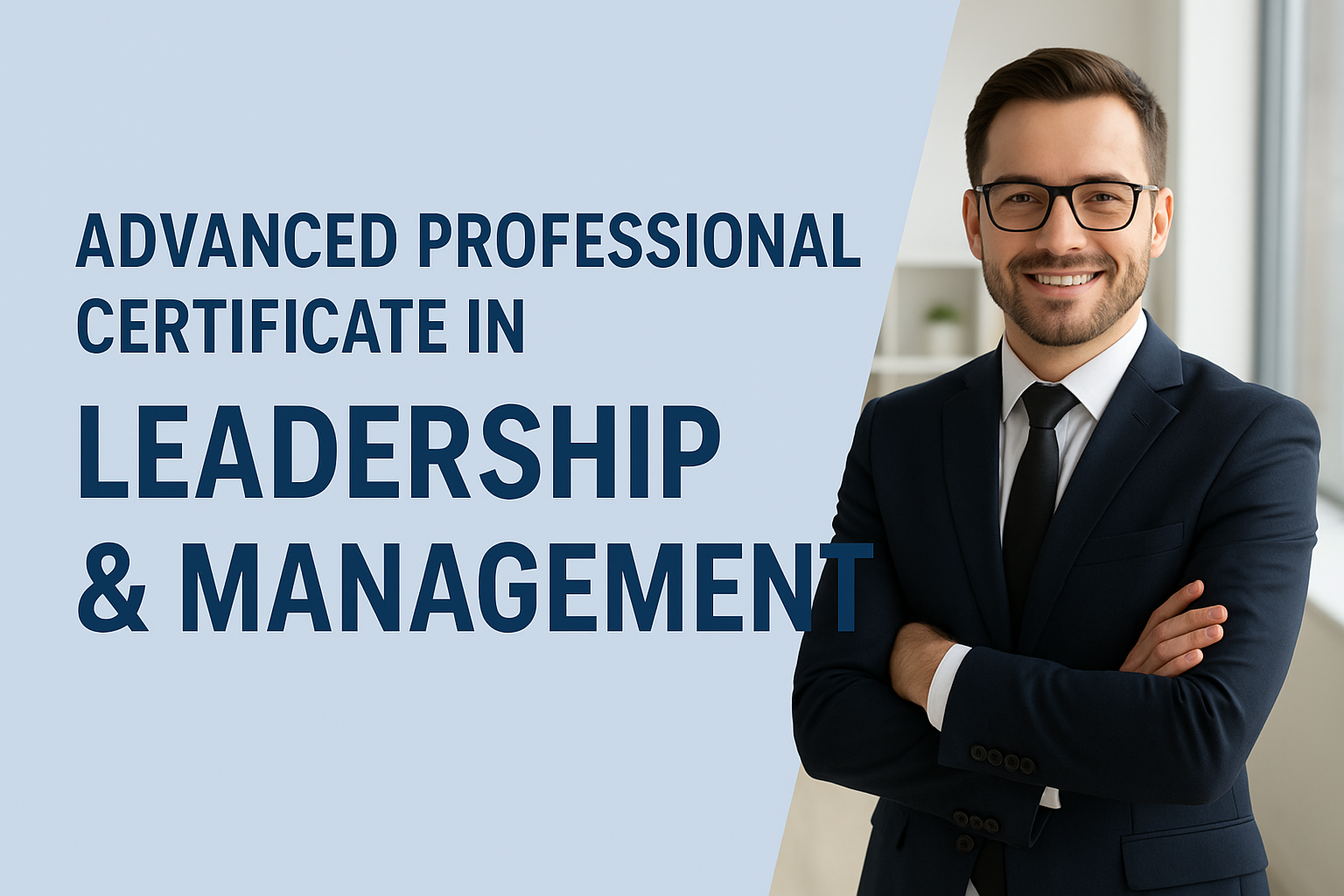
Advanced Professional Certificate in Leadership & Management
0 (0 Rating)
The Advanced Professional Certificate in Leadership & Management is an intensive online professional development program...

You must be enrolled to ask a question

Students also bought

More Courses by Author

Discover Additional Learning Opportunities